Can AI improve patient outcomes?

The healthcare industry is on the brink of a revolution. For centuries, medicine has been reactive: you get sick, you go to the doctor, and they try to fix you. But what if medicine could be proactive, predictive, and personalized?
Artificial Intelligence is making this possible. By analyzing vast amounts of data—from medical records to genetic profiles—AI is helping clinicians make better decisions, catch diseases earlier, and tailor treatments to the individual. But the big question remains: Does this actually lead to better patient outcomes?
The Diagnostic Superpower
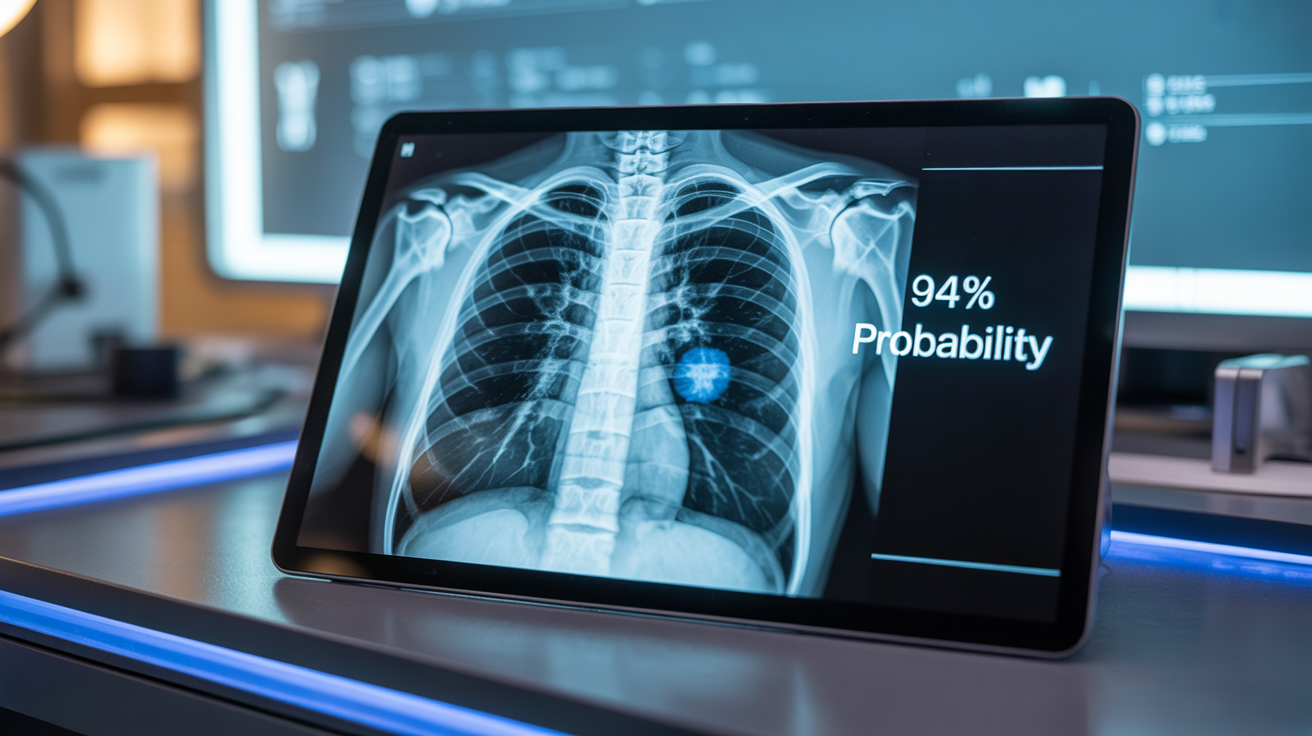
One of the most immediate impacts of AI is in diagnostics, particularly in fields that rely heavily on imaging like radiology and pathology. Radiologists examine hundreds of X-rays, CT scans, and MRIs every day. Fatigue is inevitable, and with fatigue comes the risk of error.
AI algorithms, specifically Deep Learning models, never get tired. They can scan images for minute anomalies—a tiny nodule in a lung or a micro-calcification in breast tissue—that the human eye might miss.
Case Study: Breast Cancer Detection
A recent study published in Nature showed that an AI system developed by Google Health outperformed human radiologists in detecting breast cancer from mammograms, reducing false positives by 5.7% and false negatives by 9.4%.
Personalized Medicine: Beyond "One Size Fits All"
Traditionally, if you have high blood pressure, you get the standard medication. If that doesn't work, the doctor tries the next one. This trial-and-error approach is inefficient and can be dangerous.
AI allows for Precision Medicine. By analyzing a patient's genetic makeup (genomics), lifestyle data, and environmental factors, AI can predict how a specific patient will respond to a specific drug.
- Pharmacogenomics: Predicting drug reactions based on DNA.
- Oncology: Identifying specific mutations in a tumor to select the most effective targeted therapy.
- Risk Prediction: Identifying patients at high risk for conditions like heart failure or sepsis hours before symptoms appear.
Reducing Burnout to Save Lives
It's not just about the biology; it's about the workflow. Physician burnout is a global crisis, leading to medical errors and reduced quality of care. A significant cause is the administrative burden—typing notes, entering billing codes, and navigating clunky Electronic Health Records (EHRs).
This is where tools like AI Workspace and other clinical assistants come in. By automating documentation and organizing patient data, AI frees up doctors to do what they do best: care for patients.
"When a doctor spends less time typing and more time looking the patient in the eye, trust is built. And trust is a critical component of healing."
The Hospital at Home
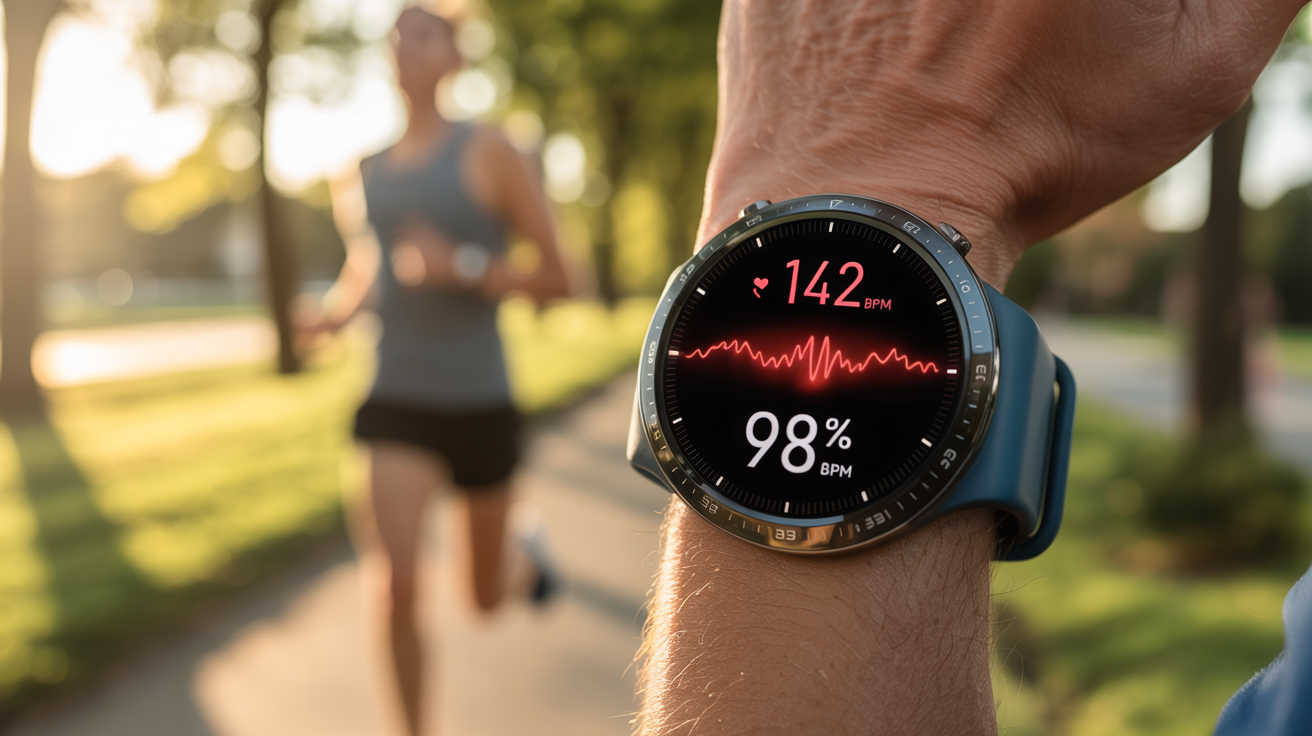
The future of healthcare isn't just inside the hospital walls. With the rise of IoT (Internet of Things) and wearables, AI can monitor patients remotely.
Smartwatches can detect atrial fibrillation. Continuous Glucose Monitors (CGMs) track blood sugar trends. AI algorithms analyze this stream of real-time data and alert healthcare providers only when intervention is needed, preventing unnecessary hospital readmissions.
The Human-AI Partnership
Will AI replace doctors? The consensus is no. AI will replace doctors who don't use AI.
Medicine is as much an art as it is a science. Empathy, intuition, and ethical judgment are uniquely human traits that algorithms cannot replicate. The goal is "Augmented Intelligence"—AI handling the data crunching and pattern recognition, empowering the human clinician to make the final, informed decision.

Conclusion
Can AI improve patient outcomes? The evidence suggests a resounding yes. By catching diseases earlier, personalizing treatments, and freeing up medical professionals to focus on care, AI is already saving lives. As the technology matures and we navigate the challenges of privacy and integration, the potential for a healthier future is limitless.
Ready to upgrade your workflow?
Join thousands of power users who trust AI Workspace to organize their prompts and conversations securely.
Install for Free